EXPLORE ASIA

Get ready to discover Asian cultures and learn about what makes them unique 💥

The Ultimate Guide to Expat Life in Asia: Logistics, Culture, and Real Stories

INTRODUCTION

After living in Asia for almost a decade, I’d say it is definitely a great place to call home.

For many, expat life in Asia represents the ultimate leap into the unknown—a blend of modern skylines, ancient traditions, bureaucratic mazes (iykyk), and incredible visual landscapes. But what does it actually take to build a life here?

Whether you are dreaming of the futuristic compounds of the Middle East or the misty mountains of East Asia, this living guide breaks down the logistics, cultural adaptations, and real, unfiltered human experiences of moving to Asia.

1. The Logistics

1. The Paperwork

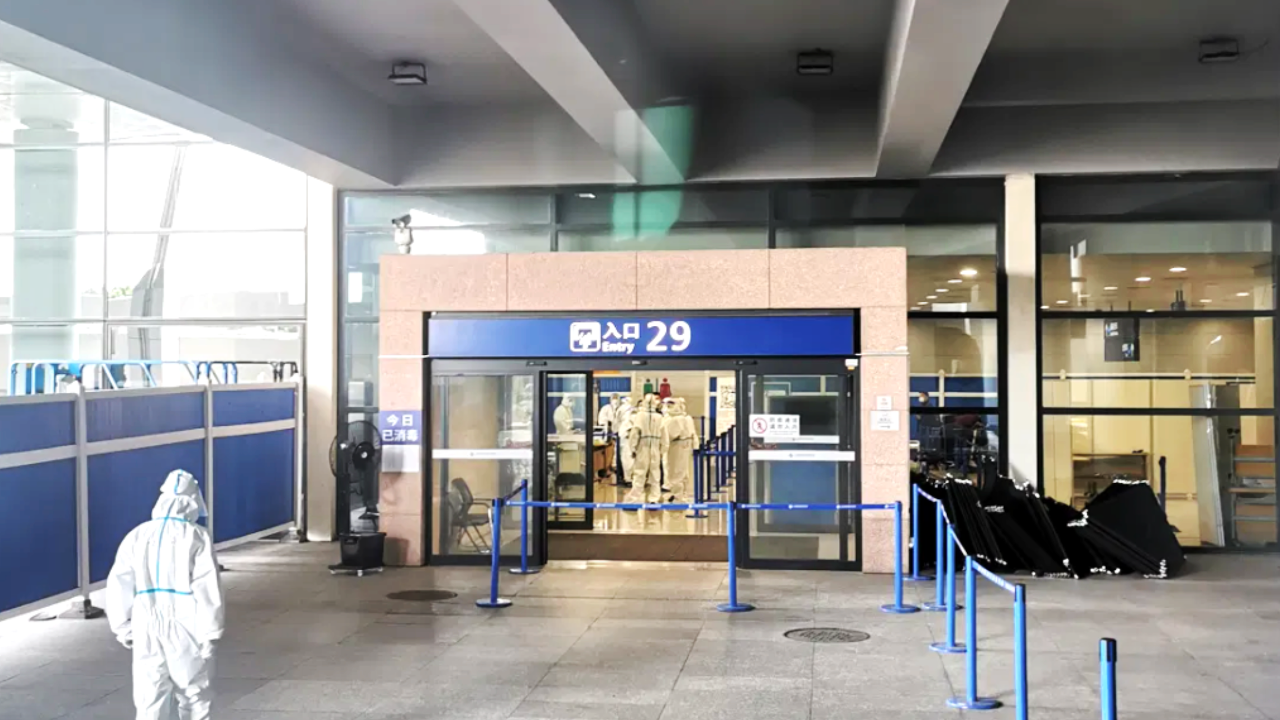
The romance of moving abroad usually hits a wall the moment you encounter local bureaucracy. Every region handles transition differently, meaning your preparation strategy must adapt to your destination’s specific framework.
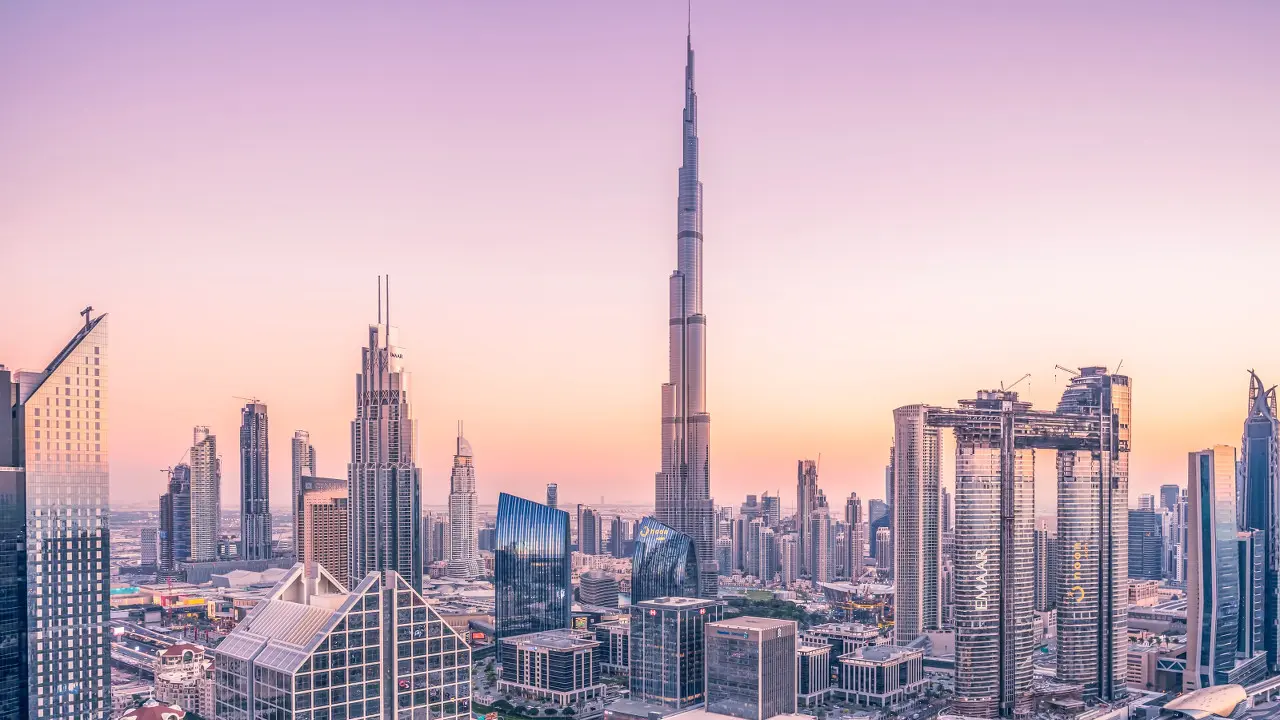
In Middle Eastern hubs like the UAE, the transition is heavily structured but highly efficient. Once your residency or employment visa is approved, you receive a foundational ID. This ID unlocks everything from opening a local bank account to setting up a phone plan almost instantly.
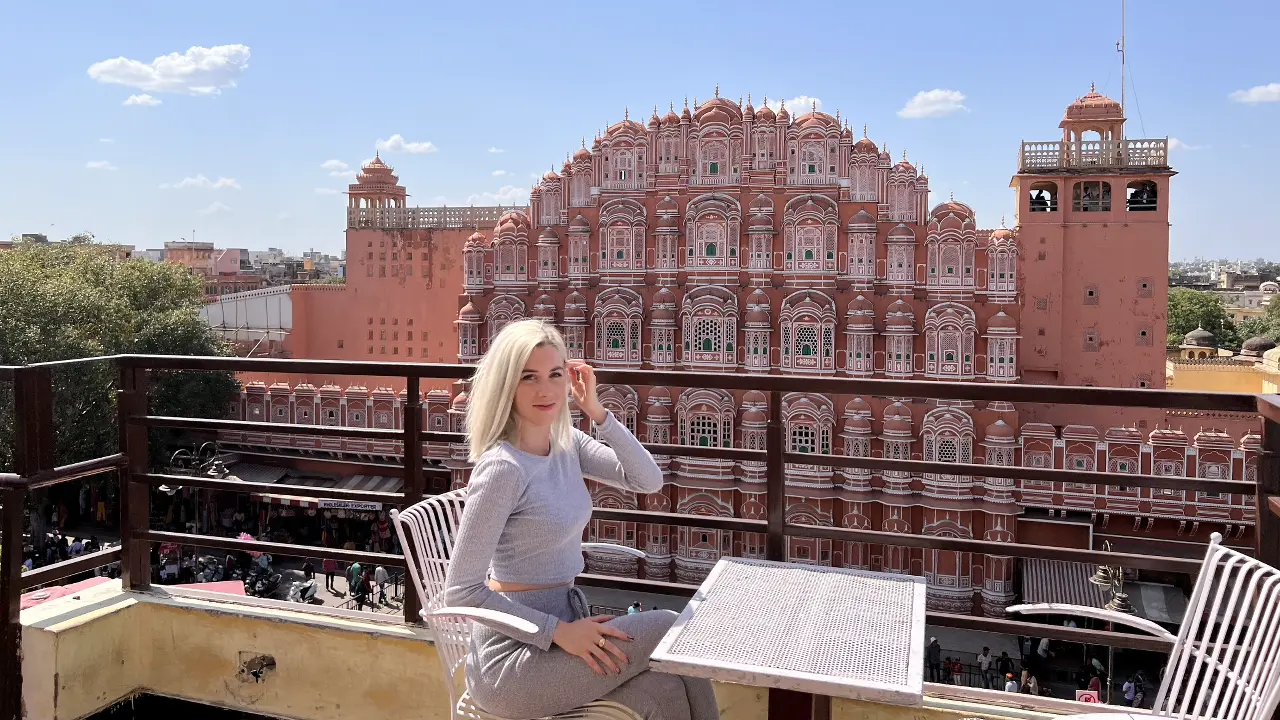
India: Moving to giant, fast-paced cities requires adapting to local set ups that aren’t always documented in standard travel guides. To see how this paperwork and settling-in process handles on the ground, read Alena’s interview in Bangalore.

2. Finding a place like Home

Securing accommodation varies wildly across the continent:

-The High-Rise Hubs: In cities like Dubai, the rental market moves fast but offers incredible convenience. While luxury apartments dominate the landscape, shared housing remains a highly popular, budget-friendly gateway for solo expats looking to split costs while retaining private balconies and central locations.

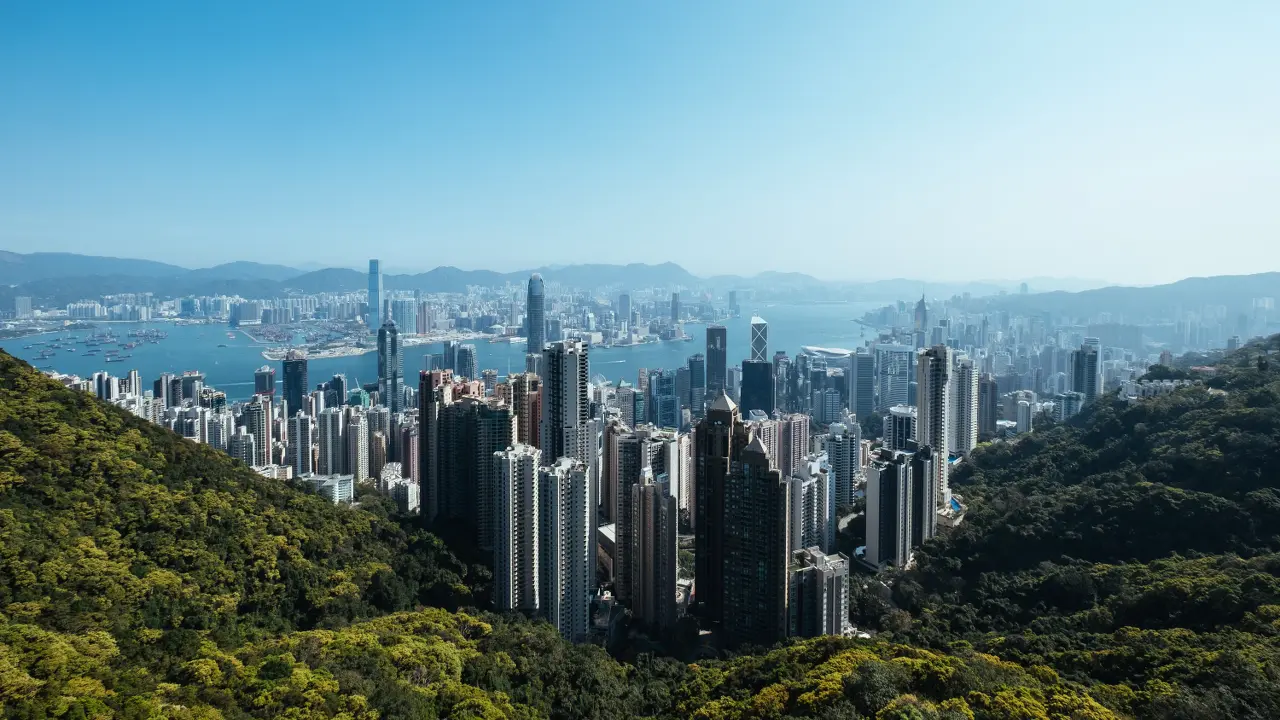
-South East Asia: In mainland China or smaller Southeast Asian cities, finding housing often requires local platforms or on-the-ground agents. The architecture ranges from high-rises to traditional apartment buildings that offer a true slice of local life.

Real Expat Insight: Want to see how this plays out in real life? Read our deep-dive interview on the realities of navigating housing, safety, and daily costs as a Filipina in Dubai.

2. Overcoming Culture Shock & Thriving internationally

Stepping off the plane as an expat means adjusting to entirely a new culture and lifestyle. True integration requires moving past the tourist phase and embracing the subtle nuances of your new home.
The Tropical Island Transition: Choosing an island paradise over a concrete jungle brings in a different set of challenges—like navigating remote infrastructure, handling seasonal tropical weather, and adapting to a slower, community-reliant pace of life. Discover what it takes to make the leap in this Expat Story in Siargao, Philippines.
Landing in a bustling Southeast Asian capital can feel dizzying. Thriving here means learning to embrace the organized chaos and understanding subtle cultural nuances. Explore this exact transition through this narrative feature of Sarah in Bangkok.

1. Respecting Local Traditions

For some, living in a traditional society requires an active shift in mindset. It means dressing appropriately, respecting religious practices, and understanding that your home country’s social norms might not apply here. Being curious and open-minded is part of the fun of living abroad!

Real Expat Insight: For a first-hand perspective on balancing western expectations with local Middle Eastern culture, explore this article on what it’s really like transitioning as an American in Abu Dhabi.

2. The Climate Shift

Don’t underestimate the weather’s impact on your daily life. Moving to the Arabian Peninsula where temperatures easily reach 45°C (113°F), can momentarily turn life into an entirely indoor, air-conditioned experience. Conversely, moving to regions affected by monsoon seasons means carrying an umbrella as a permanent accessory and adapting plans during the not so occasional sudden, dramatic downpours.

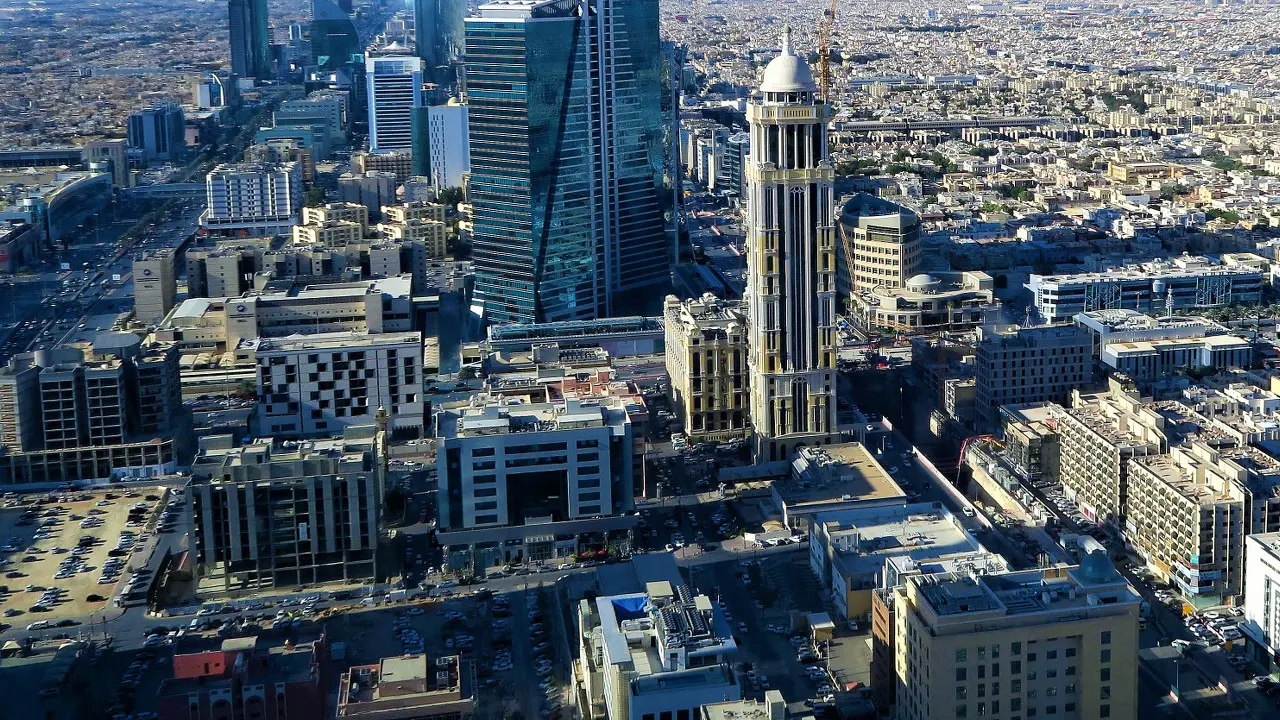
Saudi Arabia is currently undergoing an unprecedented structural and cultural evolution. Read this firsthand look at navigating this fast-changing environment as an from Mexico to Riyadh.

3. The Expat Bubble

It is incredibly easy to fall into an insular bubble of fellow foreigners. To truly experience Asia, you have to venture out. Whether that means exploring regional transit networks or learning conversational phrases, breaking the bubble is how a foreign city starts feeling like home.
Japan: Japan’s cultural capital offers a masterclass historical preservation and a deeply intentional pace of life. Observing this transition through the eyes of Tanja reveals the true beauty of cultural immersion. Explore this unique perspective of Tanja’s journey in Kyoto.

3. Cost of Living vs. Quality of Life

One of the biggest drivers for expat life in Asia is the financial incentives. However, “cheap” is relative, and tax havens usually come with hidden trade-offs.
Tax-Free Hubs (e.g., UAE):


+ Zero income tax, high salaries, cheap local goods (low VAT).
– Expensive services, entertainment, and Western imports.
Cultural Capital Cities:
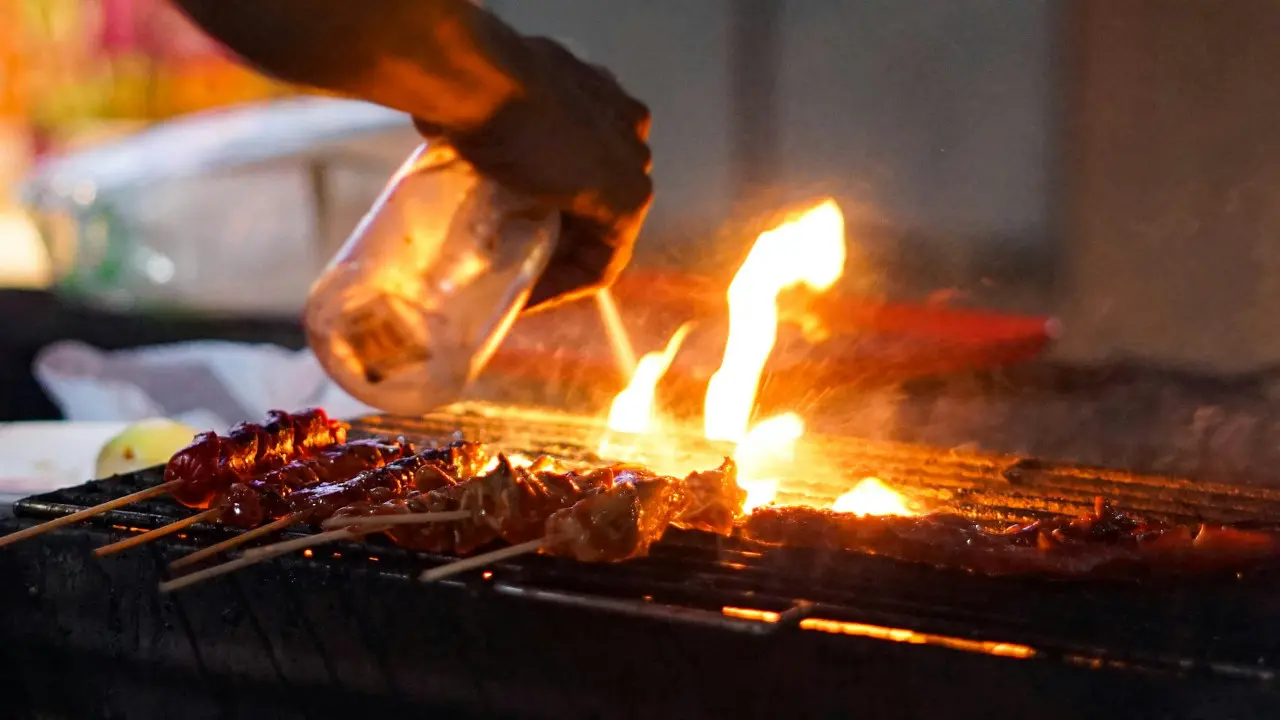
+ Incredibly affordable street food, cheap public transit, budget domestic travel.
– High deposit fees for apartments, potentially complex banking for foreigners.
Coastal Towns
+ Low monthly rent, affordable fresh food, high quality of life. – Limited high-paying local job markets

4. Is Expat Life in Asia Right for You?

Ultimately, thriving as an expat in Asia comes down to adaptability. The individuals who love it most are those who view inconveniences as adventures. If you can handle bureaucratic delays, language barriers, and intense weather shifts with a sense of humor, the rewards are incredible.

YOU WANT TO MOVE Abroad?

I hope our EXPAT STORIES inspire you 🙂

"Traveling is a brutality. It forces you to trust strangers and to lose sight of all that familiar comfort of home and friends. You are constantly off balance. Nothing is yours except the essential things: air, sleep, dreams, sea, the sky - all things tending towards the eternal or what we imagine of it."