After living in Asia for almost a decade, I’d say it is definitely a great place to call home.
For many, expat life in Asia represents the ultimate leap into the unknown—a blend of modern skylines, ancient traditions, bureaucratic mazes (iykyk), and incredible visual landscapes.
But what does it actually take to build a life here?
Whether you are dreaming of the futuristic compounds of the Middle East or the misty mountains of East Asia, this living guide breaks down the logistics, cultural adaptations, and real, unfiltered human experiences of moving to Asia.
The romance of moving abroad usually hits a wall the moment you encounter local bureaucracy. Every region handles transition differently, meaning your preparation strategy must adapt to your destination’s specific framework.
In Middle Eastern hubs like the UAE, the transition is heavily structured but highly efficient. Once your residency or employment visa is approved, you receive a foundational ID. This ID unlocks everything from opening a local bank account to setting up a phone plan almost instantly.
Securing accommodation varies wildly across the continent:
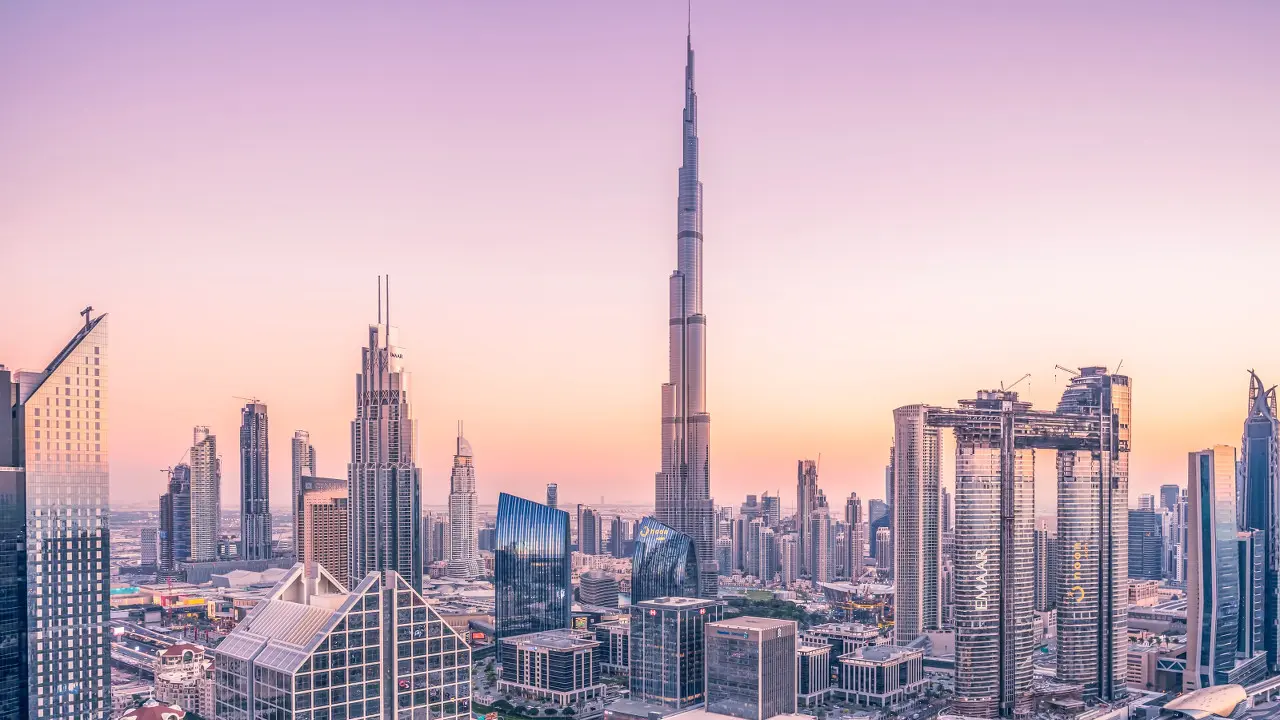
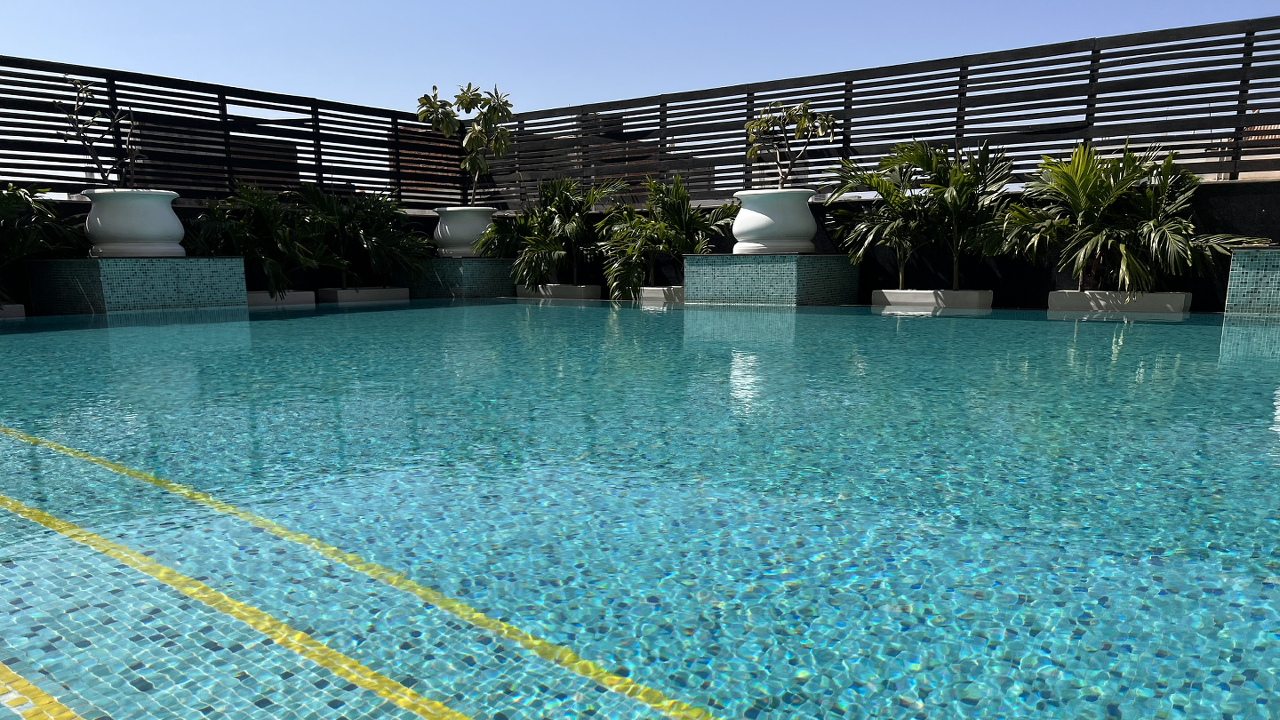
-The High-Rise Hubs: In cities like Dubai, the rental market moves fast but offers incredible convenience. While luxury apartments dominate the landscape, shared housing remains a highly popular, budget-friendly gateway for solo expats looking to split costs while retaining private balconies and central locations.
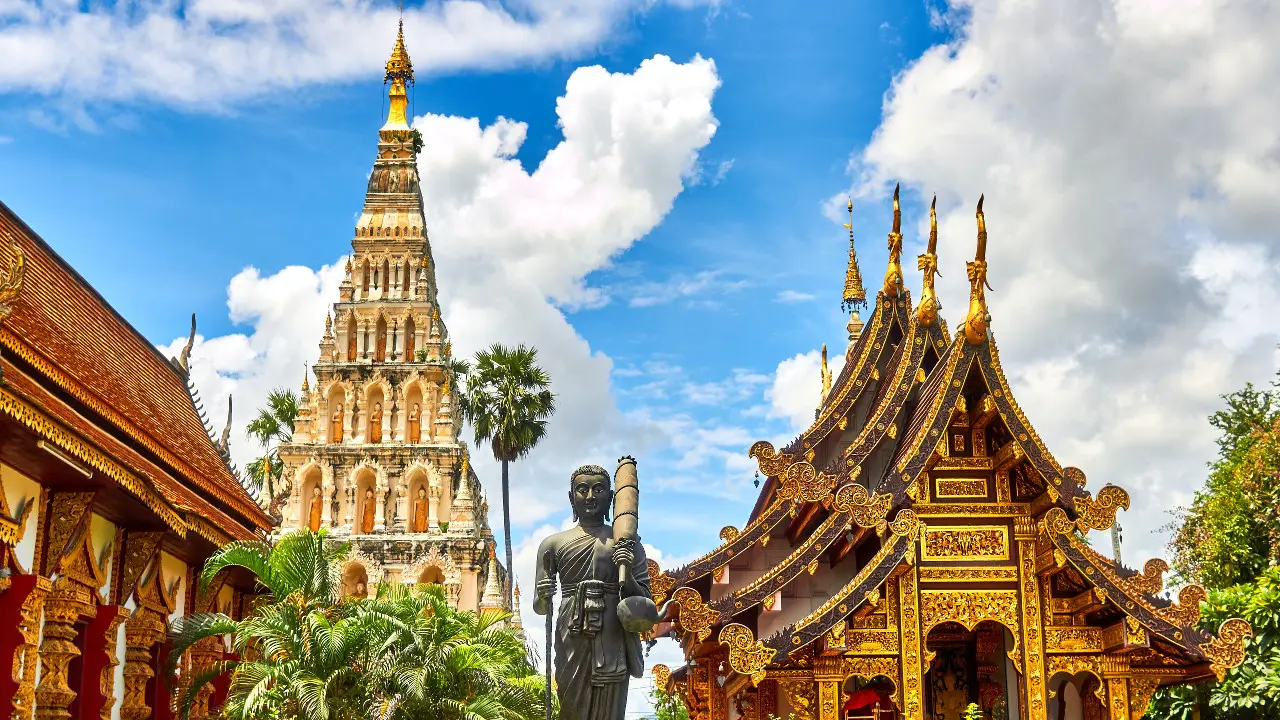
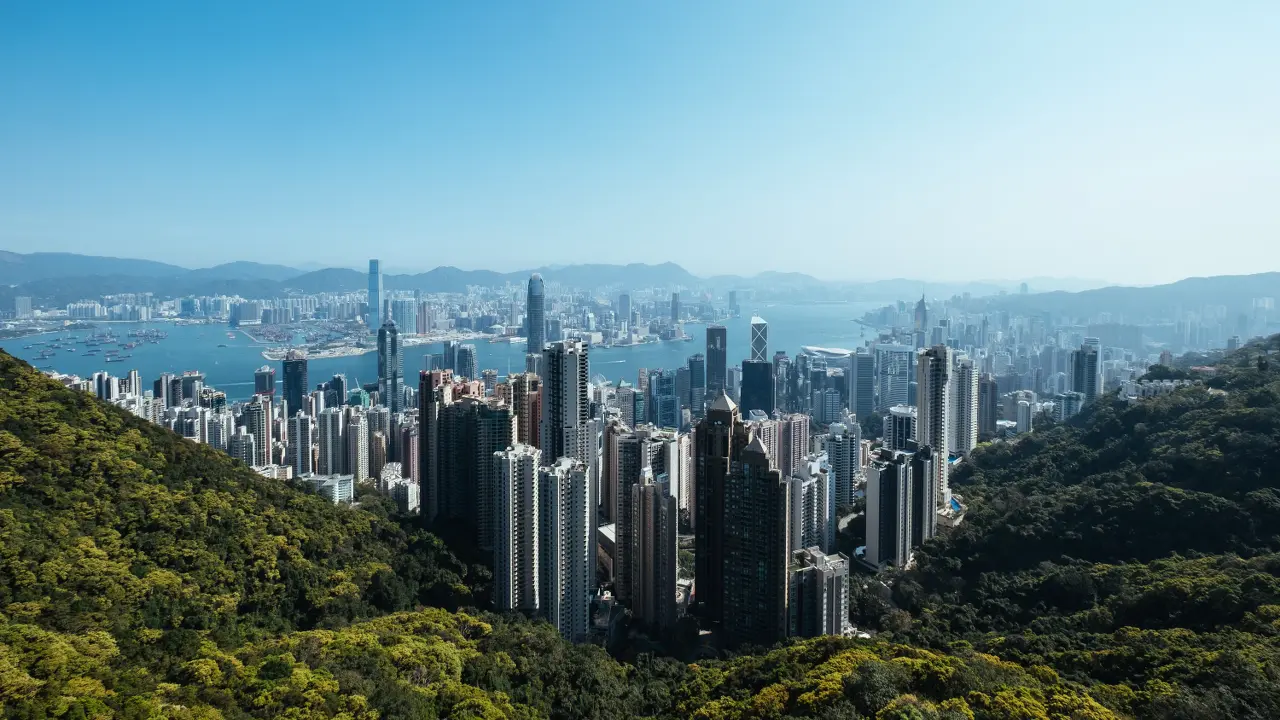
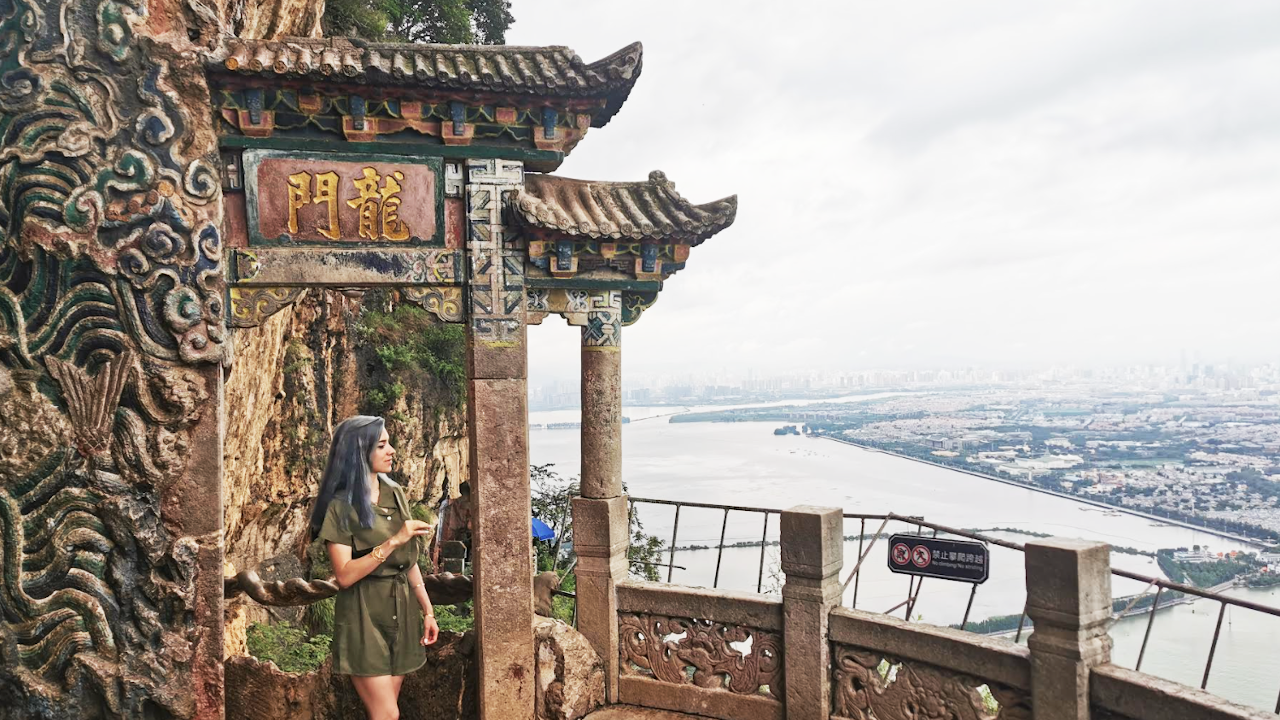
-South East Asia: In mainland China or smaller Southeast Asian cities, finding housing often requires local platforms or on-the-ground agents. The architecture ranges from high-rises to traditional apartment buildings that offer a true slice of local life.